Table of Contents
ToggleIf you’re thinking about adding a security system to your home, the sticker shock can hit hard. Prices range everywhere from a few hundred dollars for a basic DIY kit to several thousand for a professionally installed whole-home setup. The real answer? It depends on what you’re protecting, how much monitoring you want, and whether you’d rather install it yourself or hire a pro. This guide breaks down the actual costs you’ll face in 2026, so you can make a decision that fits both your home and your budget without guessing or overpaying.
Key Takeaways
- Home security system costs range from $300–$600 for DIY kits to $3,000–$5,000+ for professionally installed whole-home setups with advanced features.
- Monthly monitoring fees ($5–$50) add up significantly over time—a $30/month plan costs $1,800 over five years, making total cost of ownership critical to your budget.
- DIY installation saves $500–$1,500 in labor but requires technical comfort and handles your own troubleshooting, while professional installation ensures proper placement, code compliance, and warranties.
- Equipment complexity, home layout, and the number of sensors needed directly influence home security system pricing—a multi-story home may need 15–20 sensors instead of 8–10.
- Self-monitoring ($5–$15/month) works for homeowners who are present often, but professional 24/7 monitoring ($20–$50/month) dispatches emergency responders and protects you from costly false alarm fees.
- Get personalized quotes from local installers using platforms like Angi or manufacturer websites, as prices vary by zip code based on labor costs and local regulations.
Typical Home Security System Costs at a Glance
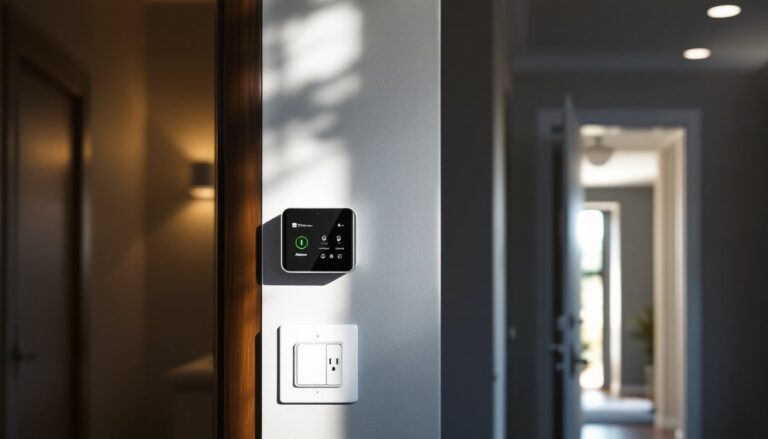
Let’s start with the baseline numbers. A basic DIY security system starter kit typically runs $300–$600 and includes a control panel, door and window sensors, a motion detector, and maybe a keypad. Popular options like Ring Home Security kits or Wyze systems land in this range and require you to handle the installation yourself.
If you want professional installation, budget $1,000–$2,500 for equipment and setup combined. A full hardwired system installed by a licensed technician in a typical suburban home usually costs around $1,500–$3,000, depending on the number of sensors, cameras, and zones you’re covering.
High-end systems with integrated cameras, glass-break sensors, and smart home integration can push $3,000–$5,000 or more. The real kicker isn’t the hardware, it’s the monthly monitoring fee, which we’ll cover next. According to monitoring and service fee reports, that recurring cost adds up fast over time.
Factors That Influence Home Security System Pricing
Three main variables control what you’ll actually spend: the type of equipment, whether you’re doing it yourself or hiring a pro, and your home’s layout. Knowing these helps you avoid overpaying or settling for less protection than you need.
Equipment Type and System Complexity
The simplest systems, wireless, self-monitored setups, cost less because there’s no wiring labor and you handle the alerts yourself. These are perfect for renters or if you just want basic door and window coverage. Pet-friendly security systems with pet-immune motion sensors cost a bit more but save you false alarms if you have dogs or cats bouncing around.
A mid-range system adds cameras, professional 24/7 monitoring, and maybe a glass-break sensor or two. That’s where most homeowners land, and it’s the sweet spot for protection versus cost. Brinks Home Security and similar services offer this tier.
Complex systems get pricey fast. Smart home integration, video doorbell backup, environmental sensors (for freeze detection or carbon monoxide), and multiple camera zones can easily double your equipment cost. A multi-story home with a finished basement might need 15–20 sensors instead of 8–10, which tacks on another $400–$800 in hardware.
Professional Installation vs. DIY Setup
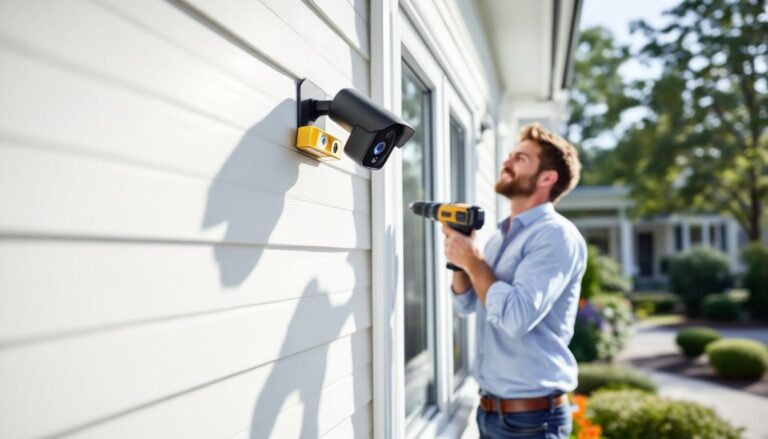
Doing it yourself saves you $500–$1,500 in labor, but it comes with real trade-offs. You’ll need to run wiring if you’re going hardwired (and that means fishing cables through walls, not fun). You’ll handle programming, troubleshooting, and any future modifications yourself. DIY works great if you’re comfortable with basic electrical concepts and have some time.
Professional installation includes site assessment, wiring, programming, and testing. The technician figures out the best sensor placement, handles code requirements (some jurisdictions require licensed alarm installers), and gives you training. Many professional systems come with a warranty and faster support if something fails. Ring Home Security Kit lets you skip the pro entirely, while Lorex Smart Home Security works for both DIY and monitored setups.
If your home has concrete block walls, a crawlspace instead of a basement, or you’re running wiring more than 100 feet, hiring a pro makes sense. You’ll save yourself frustration and ensure the system actually works when you need it.
Monitoring and Service Fees Explained
Here’s where the real cost hides. That upfront equipment price is a one-time hit, but monitoring fees keep coming month after month. Understanding what you’re paying for prevents sticker shock down the road.
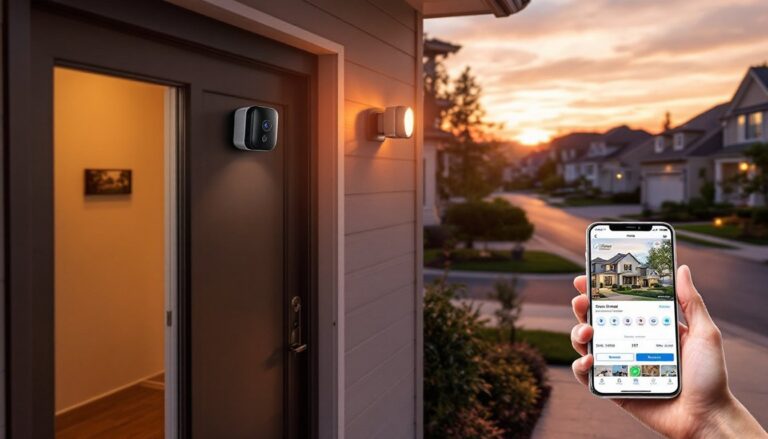
Professional 24/7 monitoring costs $20–$50 per month depending on the company and your location. That includes dispatching police, fire, or medical responders if needed, logging your system status, and sending you alerts. Some companies bundle smart home features (like remote arm/disarm from your phone) into the monitoring fee, others charge extra.
Self-monitoring plans run $5–$15 per month or even free. You get alerts on your phone and handle calling 911 yourself. That works if you’re home often, but if you travel or sleep heavily, a false alarm could cost you. (Many jurisdictions now charge false alarm fees, $50–$200 per false dispatch, so this matters.)
Cellular backup or landline monitoring adds $5–$10 monthly. This ensures your system can contact the monitoring center even if your internet is down, which is actually important for hardwired systems. Vivint Home Security and similar providers include this as standard.
Year-to-year, a $30/month monitoring plan costs $360 annually. Over five years, that’s $1,800 on top of your initial $1,500 system investment. So your total cost of ownership isn’t just the upfront number, budget for the long haul. Many providers offer discounts if you lock in a multi-year contract, but read the fine print for early termination fees.
Check what home surveillance providers actually include in their plans. Some bundle video storage, others charge per camera. Some offer lower rates if you skip professional installation or combine services with your phone or internet provider.
For accurate quotes, use platforms like Angi to get bids from local installers, or visit manufacturer sites directly. Prices vary by zip code due to labor costs and local regulations.
Conclusion
Home security systems in 2026 range from $300–$5,000+ upfront, plus $5–$50 monthly for monitoring. Your actual spend depends on whether you’re a DIY person, how many entry points you’re protecting, and what level of monitoring matters to you. Start by measuring your home, listing your entry points, and deciding if professional help or a self-installed kit fits your situation. Residential security isn’t one-size-fits-all, knowing these cost variables helps you pick the right system without overpaying or under-protecting.