Table of Contents
ToggleWireless security cameras have moved beyond the novelty phase, they’re now the practical choice for homeowners who want real-time visibility without running cables through walls or hiring electricians. Unlike traditional wired systems, wireless cameras mount faster, integrate with smart home ecosystems, and don’t require permits in most jurisdictions (though you should always verify local regulations). Whether you’re protecting a front porch, monitoring the backyard, or keeping tabs on the whole house, understanding the options available in 2026 makes the difference between a system that works and one that frustrates you. This guide walks you through what wireless security cameras offer, what to look for, and how to install them properly.
Key Takeaways
- Wireless security camera systems eliminate infrastructure hassles by mounting in minutes without cables or permits, making them ideal for renters and homeowners avoiding structural changes.
- Battery-powered models offer maximum flexibility with 3-12 month battery life, while plug-in cameras provide constant power—choose based on your installation location and preference for ongoing maintenance.
- Resolution (1080p minimum, 2K/4K preferred), weatherproofing (IP65/IP67 ratings), and strong WiFi signal (-70 dBm or stronger) are critical factors that directly impact image quality and system reliability.
- Cloud storage provides convenient remote access but requires monthly subscriptions ($3-$10 per camera), while local storage eliminates fees but requires manual backup management and risks theft.
- Proper installation includes testing WiFi coverage beforehand, weatherproofing cables with caulk, mounting 8-10 feet high out of reach, and tuning motion alerts to reduce false triggers and battery drain.
- A working wireless security camera system requires ongoing attention to WiFi stability, notification settings, and routine maintenance—plan for WiFi extenders if signal strength is weak at camera locations.
Why Wireless Cameras Are Changing Home Security
Wireless cameras eliminate the biggest headache of traditional security: the infrastructure. There’s no trenching, no conduit, no fishing cables through finished walls. You mount the camera, connect it to WiFi, and start monitoring, usually within 15 minutes. For renters or homeowners avoiding structural changes, that’s game-changing.
They also scale easily. Need to add a camera to the side of the house in six months? Grab another unit and pair it to your existing system. Most wireless systems use a centralized hub or cloud-based management, so multiple cameras talk to the same app on your phone. According to expert reviews of wireless security cameras, modern systems offer 1080p to 4K resolution, night vision, and motion detection that’s actually useful, not prone to false alarms from shadows or passing cars.
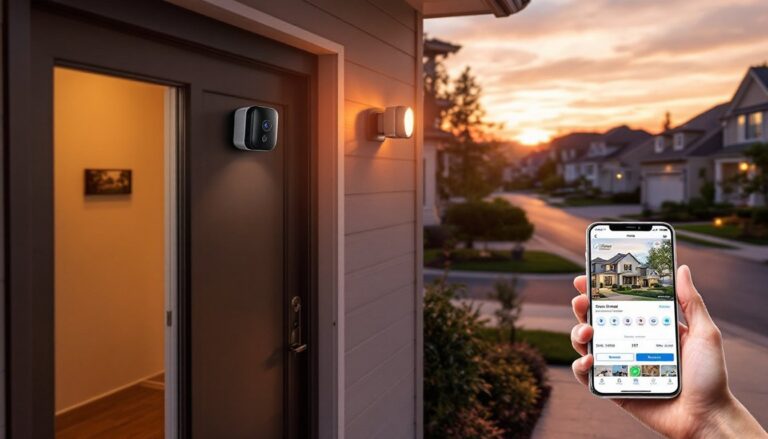
Security is only as good as monitoring and response. Wireless systems let you get alerts on your phone, check a live feed while you’re at work, and share footage instantly with police if needed. The tradeoff? They depend on your WiFi and internet reliability. A dropped connection or weak signal kills the system temporarily.
Types of Wireless Security Camera Systems
Battery-Powered vs. Plug-In Models
Battery-powered wireless cameras are the easiest to install, stick them anywhere you get WiFi coverage, and you’re done. They’re perfect for renters or if you want to test a location before committing. The catch: batteries deplete, usually lasting 3 to 12 months depending on activity and brand. You’ll need to remember to recharge or swap them regularly. Most modern models use rechargeable lithium batteries and can be charged with USB or a dock.
Plug-in models stay powered constantly, eliminating battery anxiety. They’re ideal for permanent placements like a front door or garage. But, they need an outlet nearby or an electrician to run one. For outdoor cameras without nearby power, you might use a weatherproof power bank or solar panel to extend independence.
Cloud Storage vs. Local Storage Solutions
Cloud storage (video stored on a company’s servers) offers convenience: access your footage from anywhere, and if the camera is stolen, your recordings are safe. The downside is monthly subscriptions, typically $3 to $10 per camera, and reliance on your internet connection to retrieve clips. Top wireless home security camera systems often include a free tier with limited cloud history (7 to 30 days).
Local storage (footage on an on-site drive or memory card) means no subscriptions and no dependency on the cloud. The tradeoff: a thief can steal the storage device, and you manage your own backups. Many DIYers use a combination: local storage as primary with cloud backup for redundancy. Some systems offer both options, letting you choose later.
Essential Features to Look For
Resolution and night vision matter more than marketing claims. 1080p is the minimum for identifying faces: 2K and 4K are better if your budget allows. Night vision (infrared or color night mode) should render usable footage, not just silhouettes. Read reviews with actual footage samples, not specs alone.
Field of view (FOV) determines how much a single camera covers. Wide-angle (100–180°) lenses catch more area but distort edges. Narrow lenses (70–90°) zoom tighter. Most homeowners start with 110–130° FOV and add a second camera if they want more coverage. Detailed reviews of security camera systems often compare FOV side-by-side.
Motion detection and person detection reduce false alerts. Standard motion sensing triggers on any movement: AI-powered person detection ignores animals and shadows. This matters for battery life too, fewer false alerts mean fewer unnecessary video uploads and less battery drain.
Two-way audio lets you talk through the camera (“package on the porch, go around back”). Useful for deliveries and deterring trespassers, though it can feel intrusive if misused.
Weather resistance is non-negotiable for outdoor cameras. Look for IP65 or IP67 ratings (dust and water protection). An outdoor camera exposed to rain or freezing temps without proper sealing will fail in months, not years. Indoor cameras need only IP44 or IP52 at minimum.
Compatibility with smart home ecosystems (Alexa, Google Home, Apple HomeKit, SmartThings) matters if you already own smart speakers or hubs. Cross-ecosystem integration still has gaps, test before buying if you need tight integration.
Installation Tips for DIY Homeowners
Plan your layout first. Walk around your property and mark camera positions with tape or stakes. Note WiFi signal strength in each spot, most wireless cameras need -70 dBm or stronger. A basic WiFi analyzer app on your phone shows signal strength. Avoid spots behind thick walls or 50+ feet from your router: signal degrades fast, and video will stutter or freeze.
Weatherproof the wiring and connections. Even wireless cameras have a power cable or outdoor hub that needs sealing. Use silicon caulk (clear or paintable) around any cable entry points, and angle cables downward so water runs off. Moisture in connectors causes corrosion and shorts within weeks.
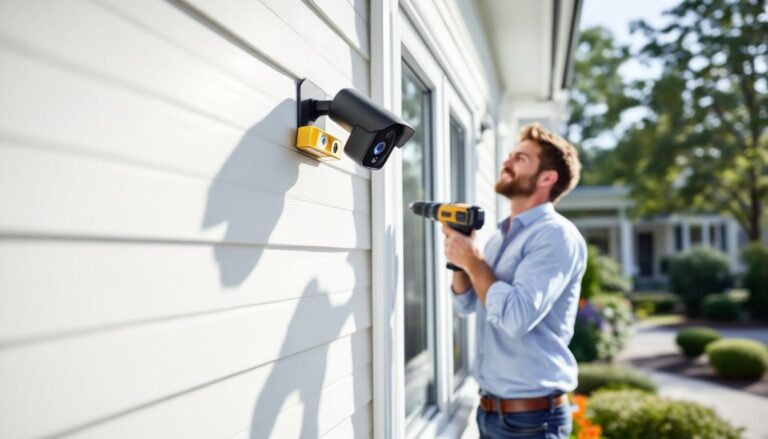
Mount securely and out of reach. Use stainless steel or galvanized screws: regular steel rusts outdoors. Avoid mounting where someone can grab the camera, 8 to 10 feet high is typical for front-facing cameras. For soffits and eaves, use plastic anchors rated for exterior use and pre-drill to avoid cracking trim.
Test footage quality before final placement. Record 5-10 minutes of sample video, download it, and watch on a desktop monitor. Check for lens glare (position slightly differently if the sun reflects), focus drift, and WiFi stability. Repositioning now beats regret later.
Label everything. Tape a label on or near the mount noting the camera name, WiFi password used, and battery replacement date (if applicable). Future you will be grateful.
Configure notifications carefully. Turn on alerts but disable frequent, non-critical triggers (leaves blowing, headlights passing). A noisy system gets muted: a silent one you can’t count on gets ignored. Start conservative and adjust after a week of living with it.
Don’t skip the WiFi extender if needed. A $30–$60 mesh WiFi extender or a dedicated 5 GHz extender is far cheaper than replacing a failed camera or dealing with poor footage quality. Position it halfway between your router and the camera location.
Conclusion
Wireless security cameras are practical, affordable, and fast to install, but they’re not set-and-forget. Pick systems matching your power source (battery or plug) and storage method (cloud or local). Prioritize resolution, weatherproofing, and WiFi coverage during installation, and test everything before declaring the job done. A properly deployed wireless system pays for itself in peace of mind within the first month.