Table of Contents
ToggleSmall business owners face a unique security challenge: limited budgets, multiple entry points, and the need for 24/7 monitoring without on-site personnel. A dedicated camera security system isn’t optional anymore, it’s a practical investment that deters theft, protects employees, and provides evidence if incidents occur. Whether you’re running a retail shop, office, warehouse, or service location, finding the right small business camera system means balancing affordability with reliability. This guide walks you through what to look for, the main system types available, and how to get them installed so your business runs safer and smarter.
Key Takeaways
- A dedicated camera security system for small business deters theft, protects employees, and provides evidence during incidents—making it a practical investment rather than an optional expense.
- Choose 1080p (2 megapixel) resolution as the minimum standard to capture face details at typical business distances, and prioritize systems with 30+ days of continuous footage storage using cloud or hybrid backup.
- Wired NVR systems offer rock-solid reliability with no subscription fees but require professional installation, while wireless/WiFi systems provide easier DIY setup but depend on stable internet connectivity.
- Ensure your camera security system includes remote mobile access, motion detection alerts, and integration compatibility (RTSP or ONVIF) to work with existing smart locks or alarm systems.
- Budget $500–$2,000 for a basic 4-camera setup plus $500–$1,500 in professional installation labor, with ongoing annual costs of $50–$150 for cloud storage maintenance.
- Test internet speed (minimum 5 Mbps upload per camera), plan camera placement in high corners to avoid obstruction, and run a full week of testing before going live to prevent future issues.
Why Small Businesses Need Dedicated Security Camera Systems
Most small business owners handle security as an afterthought, a basic burglar alarm and maybe a used camera from a big-box store. That approach leaves gaps. Dedicated security systems designed for commercial spaces give you resolution high enough to capture faces and license plates, storage that doesn’t disappear after 30 days, and the ability to monitor multiple cameras at once from a smartphone or computer.
Theft and shrinkage cost U.S. small businesses billions annually. Beyond asset protection, cameras reduce liability claims by documenting what actually happened during incidents. They also deter employee theft and provide evidence if a customer dispute arises. Building a security presence also signals to customers and staff that you take safety seriously.
Small business systems differ from home setups because they handle longer operating hours, higher traffic, outdoor weather exposure, and sometimes legal requirements (some jurisdictions require security footage for certain business types). You need something built to run continuously and survive real conditions.
Key Features to Look for in a Small Business Camera System
Before you shop, know what separates a capable system from a mediocre one. The right feature set depends on your space, a retail floor needs different coverage than a warehouse loading dock. But a few essentials apply across the board.
First, avoid ultra-budget systems. You’ll regret it when you can’t identify a person in footage or the system drops connection during a critical moment. Mid-range commercial-grade options ($500–$2,000 for a basic setup) typically offer better reliability and support than consumer products stretched to commercial use.
Resolution, Storage, and Night Vision Capabilities
1080p (2 megapixel) resolution is the minimum for small business work. It captures enough detail to identify faces at typical business distances (10–20 feet). 4K or higher gives clearer detail but requires more storage and bandwidth. For most small retail or office spaces, 1080p to 2K strikes the right balance.
Storage matters more than people think. Cloud storage costs money monthly but means footage isn’t lost if someone damages the camera or recorder. Local storage (NVRs or DVRs) is cheaper upfront but ties you to physical hardware. Many systems now blend both: local backup plus 7–30 days of cloud history. Plan for at least 30 days of continuous footage as a baseline, longer if you have the budget.
Night vision (infrared) is non-negotiable for outdoor cameras and interior spaces with low light. 2K or higher resolution, 30fps (frames per second), and f/2.0 aperture or wider will give you usable footage after dark. If your business operates after sunset or in dimly lit areas, don’t skimp here.
Remote Access and Integration Options
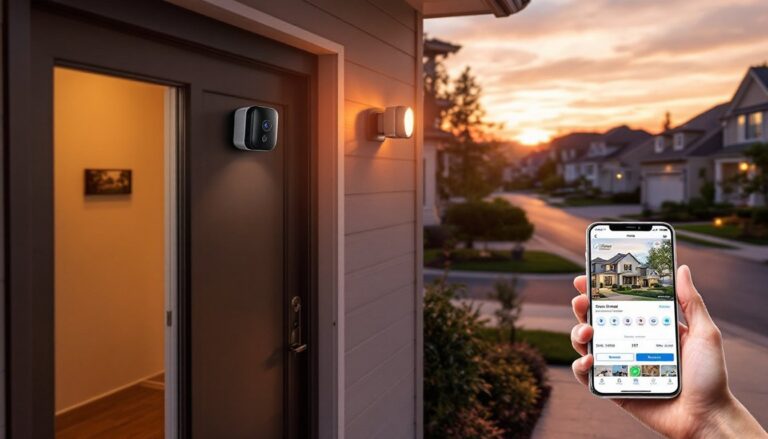
You need to check your cameras when you’re not on-site. A system without reliable mobile access or web dashboard feels incomplete. Real-time viewing from a smartphone or browser, two-way audio (so you can talk through the speaker), and instant alerts when motion is detected should all be standard.
Integration with existing systems matters too. If you already use smart locks, alarm systems, or time clocks, choose a camera system that plays nicely with them. RTSP or ONVIF compatibility means you’re not locked into one manufacturer’s proprietary software. Some systems integrate with platforms like Digital Trends reviews to ensure smart home ecosystems work together smoothly.
Redundancy is worth considering: automatic failover to cellular backup if your internet drops, or the ability to store footage locally while syncing to the cloud. For retail or service businesses, even an hour of downtime is a liability.
Top Camera System Types for Small Business Spaces
You’ll encounter three main system architectures when shopping. Each has trade-offs.
Wired NVR (Network Video Recorder) Systems use Ethernet cables running to cameras and a central recorder. Pros: rock-solid reliability, no subscription fees for local storage, clean integration. Cons: installation requires running cables, possibly through walls and ceilings. If you’re renovating or willing to hire an electrician, this is the gold standard for reliability. Common setups include 4–8 cameras with 1–2TB of storage.
Wireless/WiFi Systems connect cameras via your business internet. Pros: easier DIY installation, no cable runs, portable if you relocate. Cons: WiFi congestion affects performance, you’re dependent on internet uptime, and wireless range is limited outdoors. These work well for small spaces or businesses with solid broadband. Leading brands in this space, according to Tom’s Guide’s review of the best home security cameras, include Wyze and Nest, though pros typically recommend commercial variants for business use.
Hybrid Systems combine hardwired cameras with cloud storage and wireless access. You get reliability of wiring with the convenience of mobile monitoring. Expect higher upfront cost but superior performance. These suit growing businesses that plan to expand coverage later.
For most small businesses under 2,000 sq ft, a 4–camera wired or hybrid system covers entry points, sales floors, and storage areas without overkill. Retail locations benefit from a mix: wide-angle cameras for the sales floor, close-up cameras at registers or high-theft zones, and perimeter cameras outside.
Product quality varies widely. Research reviews on CNET and similar tech-focused sites before committing. Check warranty terms, at least 3 years on cameras, 2 years on recorders.
Installation and Setup Considerations
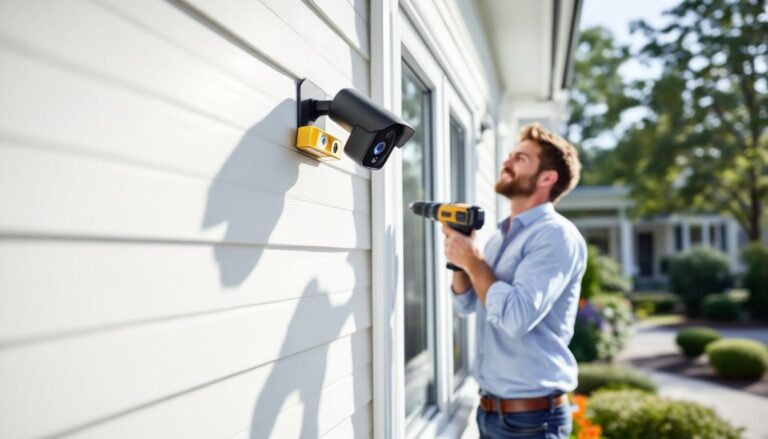
DIY installation is possible for wireless systems but requires forethought. Before buying, audit your space: where’s your internet router? How many cameras do you actually need? Where are power outlets or will you need PoE (Power over Ethernet) injectors?
For wired systems, hire a licensed electrician or security installer unless you have experience running low-voltage cable. Improper installation creates reliability problems and may void warranties. Expect $500–$1,500 in labor for a 4-camera system, depending on your region and complexity. Building codes and permits vary by jurisdiction, some require permits for commercial security work. Check with your local building authority upfront.
Key prep work:
- Test internet speed and stability at your location. Aim for 5 Mbps upload minimum per camera, higher if you want 4K or multiple simultaneous viewers.
- Plan camera placement before installation. High corners catch activity without obstruction. Test sight lines and lighting conditions.
- Label all cables and connections clearly so future maintenance is easy.
- Set up cloud backup and local storage redundancy before cameras go live.
- Configure motion detection zones to reduce false alerts from traffic outside windows or reflections.
After installation, run a week of testing: check video quality at different times of day, verify remote access works, confirm alerts reach your phone, and audit footage retention. Small tweaks now prevent frustration later.
Many small businesses find value in systems like the Lorex Smart Home Security or reviewing options like the Brinks Home Security Review to understand what commercial-grade features look like and how they compare to consumer offerings.
Ongoing maintenance is minimal but important: clean camera lenses monthly, check that cables aren’t damaged, and update firmware when available. Budget roughly $50–$150 annually for cloud storage if that’s part of your setup.
Conclusion
A solid small business camera system is an insurance policy that actually works. Focus on resolution and night vision that suit your space, reliable storage options, and remote access you can trust. Whether you go wired, wireless, or hybrid depends on your setup and budget. Smart installation and ongoing maintenance keep the system running for years. Start with the essentials, entry points and high-value areas, and expand later if needed. Your business will run safer and you’ll sleep better knowing you can see what’s actually happening when you’re not there.