Table of Contents
ToggleIf you’re tired of wondering whether your home is truly secure, you’re not alone. Swann home security systems have become a go-to choice for homeowners and DIY enthusiasts seeking reliable, affordable protection without the contractor markup. With camera quality that rivals much pricier systems, flexible installation options, and monitoring that works on your terms, Swann delivers peace of mind at a price point that actually makes sense. This guide walks you through what makes Swann systems stand out, how to install one yourself, and whether it’s the right fit for your home.
Key Takeaways
- Swann home security systems offer 30–50% cost savings compared to premium brands while delivering similar 1080p–4K resolution and features without expensive monitoring contracts.
- DIY installation of Swann systems is straightforward for homeowners with basic skills, typically taking a weekend to complete and saving thousands in professional installation labor.
- Choose between wired DVR systems for maximum reliability or wireless NVR options for faster setup, with night vision and motion detection features available across all models.
- Swann’s flexible monitoring approach lets you record locally to a hard drive, add optional cloud backup ($10–$20/month), or integrate with smart home platforms for automation.
- Entry-level Swann kits start around $200–$350 for 2-camera systems, with whole-home 8-camera setups ranging from $600–$1,200, making reliable security accessible without recurring contract fees.
What Makes Swann Security Systems Stand Out
Swann has built its reputation on keeping things simple and affordable. Unlike security companies that lock you into expensive monitoring contracts, Swann gives you options: local recording to a hard drive, cloud storage, or hybrid setups that work without constant subscriptions. You own the system outright, no leasing, no early termination fees.
The brand focuses on DIY-friendly hardware. Most Swann systems come with straightforward wiring diagrams, web-based setup wizards, and mobile apps that don’t require a PhD in networking. If you’ve hung a TV or rewired a light switch, you have the foundational skills to install a Swann system.
Swann’s competitive positioning also matters. Compared to premium brands, Swann systems typically cost 30–50% less while delivering similar 1080p–4K camera resolution, local storage, and motion detection. Many homeowners choose Swann as a practical middle ground: better than cheap doorbell-only solutions but without the recurring fees of professional monitoring contracts. Reviews consistently note that Swann systems perform reliably for years, making the initial investment worthwhile.
Key Features and Technology Overview
Swann systems typically include a digital video recorder (DVR) or network video recorder (NVR), wired or wireless cameras, and motion sensors. The DVR handles local recording and playback: the NVR variant connects via ethernet for network-based monitoring and is better for setups requiring remote access.
Most kits ship with 1080p to 4K cameras featuring infrared night vision, two-way talk (on select models), and customizable motion detection zones. You can usually add cameras later, Swann systems are modular, so a 2-camera starter kit grows into a 4- or 8-camera setup as needed.
Storage depends on your chosen model. Entry-level systems use a 1–2 TB hard drive, recording continuously at 15–30 fps (frames per second). Higher tiers include larger drives or hybrid cloud-plus-local backup. Swann also offers cloud integration if you want off-site redundancy, though this typically involves a subscription fee.
Camera Quality and Night Vision Capabilities
Night vision is where Swann shines. Even budget Swann cameras include infrared (IR) LEDs that illuminate subjects in complete darkness without floodlights. Higher-end models add color night vision, which captures video in dim light with visible color instead of grayscale, useful for identifying clothing or vehicle details.
Resolution ranges from 1080p (2 MP) on entry models to 4K (8 MP) on professional tiers. At 1080p, you’ll clearly identify faces and vehicle plates at 20–30 feet: 4K pushes that to 40–50 feet. For residential use, 1080p–2K is usually sufficient: jump to 4K only if you’re covering large properties or need critical license-plate clarity.
Image clarity also depends on lens quality and wide dynamic range (WDR) processing. Better Swann cameras use glass lenses (not plastic) and WDR to balance bright and dark areas in the same frame, crucial if your front door faces a lit porch and bright sky simultaneously. Budget models skip WDR: mid-tier and up include it.
Installation and Setup for DIY Homeowners
Before you drill or run cable, check your jurisdiction’s building codes. Most residential security system installations don’t require a permit, but running new electrical circuits or mounting cameras on load-bearing structures may. Call your local building department if you’re unsure.
Wired systems (DVR with coaxial or Cat5e cabling) are the most reliable for permanent installations. You’ll run cables from the cameras to a central DVR unit, typically installed in a garage, closet, or basement. Expect to run cable through walls, attics, or exterior conduit. This takes longer but eliminates WiFi interference and dropped signals.
Wireless systems (NVR with WiFi or mesh network cameras) are faster to install but more prone to interference from microwaves, cordless phones, and neighboring networks. Swann wireless kits work well if your cameras are within 100 feet of the router and in open sight lines.
Basic installation steps:
- Plan your layout. Sketch camera placements covering entry points (front/back doors, garage) and high-value areas. Ensure each camera has a clear line of sight to subjects at least 20 feet away.
- Route cabling. For wired systems, run cable through interior walls (cleanest look) or exterior conduit. Avoid running cables near electrical wiring, keep at least 12 inches separation to reduce interference.
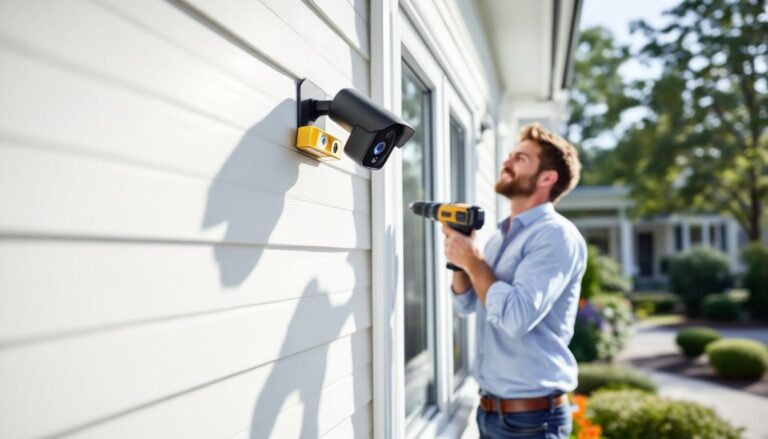
- Mount cameras. Use included brackets and fasteners. Cameras should be 8–10 feet high to capture faces: angle slightly downward. Use weatherproof silicone (not caulk) around exterior cable penetrations.
- Connect the DVR/NVR. Plug into a dedicated wall outlet (not shared with microwaves or high-draw devices). Connect storage drives and network cables per the manual.
- Configure the system. Use the on-screen menu or web app to set recording mode (continuous, motion-triggered, or scheduled), create user accounts, and adjust motion detection zones.
Safety considerations: When working at height, use a stable ladder and have a second person spot you. Drill carefully near electrical outlets and plumbing. Wear safety glasses if drilling overhead. If the job requires running mains power, hire a licensed electrician, don’t improvise.
Monitoring and Alert Options
Swann’s flexibility is a major selling point. You’re not forced into professional monitoring contracts: instead, you choose what works for your situation.
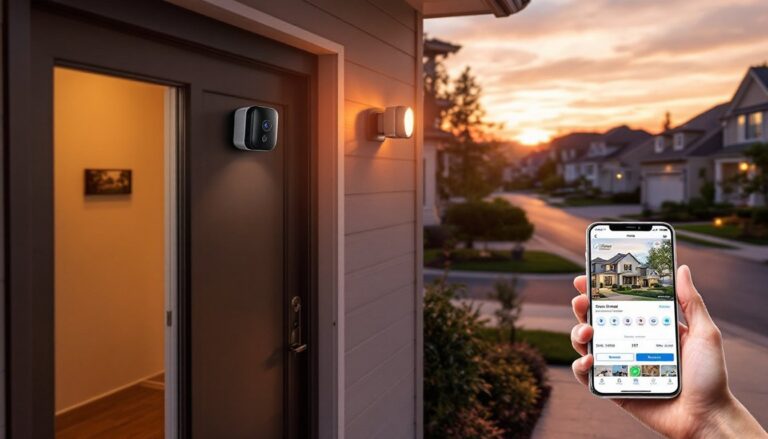
Local monitoring records footage to the DVR’s hard drive. You access recordings through the Swann app or web interface using your home internet. Motion alerts push notifications to your phone in real time. This approach costs nothing beyond the initial hardware investment but requires your home to have internet connectivity.
Cloud monitoring adds off-site backup and 24/7 remote access. Monthly fees typically range from $10–$20 depending on storage and features. This is valuable if your DVR is ever stolen or damaged, your footage lives in the cloud. Some Swann bundles include free cloud access for a trial period.
Professional monitoring (24/7 live response) is available through Swann’s third-party partners but costs $30–$50/month. Most DIY homeowners skip this tier unless they need emergency dispatch integration.
Motion detection and automation let you set up smart rules. For example, cameras can record only when motion is detected outside business hours, saving hard drive space. You can also integrate Swann systems with smart home platforms (Google Home, Alexa on select models) for voice commands and automation routines.
For most homeowners, local monitoring with cloud backup strikes the right balance: you control your footage, pay once, and enjoy professional-grade redundancy without subscription bloat.
Pricing and System Packages
Swann’s pricing is competitive and transparent. Entry-level 2-camera wired DVR kits start around $200–$350, while 4-camera systems range from $350–$600. Wireless or NVR-based kits cost slightly more due to the additional networking hardware.
8-camera systems (the most common for whole-home coverage) typically fall in the $600–$1,200 range depending on resolution, storage, and whether you choose wired or wireless. High-end 4K systems push toward $1,500–$2,000.
When budgeting, account for extras: weatherproof junction boxes ($20–$40 each for exterior runs), additional cameras if you upgrade later ($100–$300 each), and cable and fasteners ($50–$150 for a full installation). Cloud storage subscriptions add $10–$20/month if you choose that tier.
Compared to hiring a professional installer (usually $1,500–$3,000 in labor alone), going the DIY route saves thousands. Even factoring in a slow learning curve, most homeowners complete a basic installation in a weekend.
To find current home security specials, check Swann’s official site or major retailers. Seasonal sales (Black Friday, post-holiday) often offer 20–30% discounts on bundles, making high-end systems more accessible. Balance upfront cost against long-term reliability: a $600 system that lasts 7–8 years beats a $250 system that fails after 3.
Conclusion
Swann home security systems deliver on the promise of affordable, reliable home protection. The combination of solid camera quality, flexible monitoring, and DIY-friendly installation makes them a smart choice for homeowners unwilling to pay premium prices or get locked into contracts. Start with a basic 2–4 camera kit, install it yourself, and expand as needed. You’ll sleep better knowing your home has eyes on it, and your wallet won’t take a hit in the process.