Table of Contents
ToggleIf you’re weighing home security system costs, you’re not alone, property crimes and break-ins remain real concerns for homeowners. The good news: security systems have become more affordable and flexible than ever. Whether you’re considering a professional installation, a DIY kit, or a hybrid approach, understanding the real costs upfront prevents sticker shock and helps you pick a solution that fits your budget and needs. This guide breaks down what homeowners actually pay in 2026, from equipment and installation to monthly monitoring, so you can make an well-informed choice.
Key Takeaways
- Home security system costs range from $300–$1,500 for DIY wireless kits to $2,000–$5,000 for professional installations, plus monthly monitoring fees between $0–$60 depending on your chosen service level.
- Professional 24/7 monitoring typically costs $35–$60 per month but can reduce home insurance premiums by 10–15%, potentially offsetting your initial investment over time.
- Wireless DIY systems cost significantly less upfront and allow modular expansion, making them ideal for budget-conscious homeowners or renters who want to avoid hardwired installation expenses.
- Monthly monitoring fees compound quickly—a $30/month charge equals $3,600 over a decade—so compare long-term costs rather than focusing solely on equipment prices.
- Strategic cost-saving tactics include starting with entry-point sensors only, self-monitoring via smartphone apps, bundling services for provider discounts, and checking whether your home insurance offers reductions for monitored systems.
- Comparing quotes from at least three providers and considering a hybrid approach (DIY system with professional signal verification costing $200–$500) can save 10–20% on total home security system costs.
Typical Pricing Ranges for Home Security Systems
Home security system costs vary widely depending on system type and coverage. Most homeowners pay between $1,000 and $5,000 for a complete professional installation, including equipment and initial setup. Monthly monitoring fees typically range from $20 to $60, though some systems run as low as $10 per month for self-monitoring options.
DIY wireless kits cost significantly less upfront, usually $300 to $1,500 for a basic 4- to 8-zone system. These are ideal for renters or those wanting to avoid installation hassles. Professional monitored systems, by contrast, demand higher initial investment but offer 24/7 professional response and often reduce your home insurance premiums by 10–15%, which can offset costs over time.
A full-featured professionally installed system with cameras, door/window sensors, motion detectors, and professional 24/7 monitoring typically runs $2,500 to $4,500 upfront plus $30–50 monthly. Mid-tier systems (5–8 entry points, basic monitoring) land around $1,500–2,500 and $20–35 monthly. Entry-level systems or self-monitored DIY kits run $300–1,000 with little to no ongoing fees.
Key Factors That Affect Your Total Installation and Monthly Costs
System Type and Equipment Quality
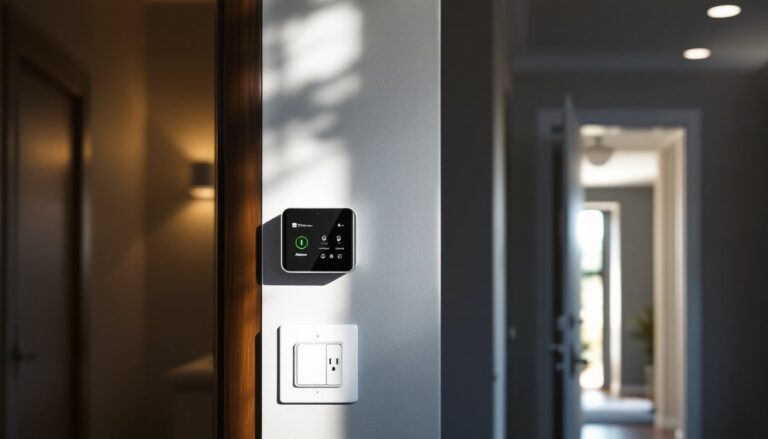
The equipment you choose makes the biggest difference. A basic hardwired system, installed inside walls and wired to a central panel, costs more upfront but tends to be reliable and less prone to signal interference. Wireless systems cost less to install since they don’t require running cables through studs or conduit, but you’ll replace batteries in sensors every 2–3 years.
Sensor count matters too. A single-story, 2-bedroom home might need 8–10 sensors: a larger or multi-story house could need 15+. Video cameras range from $100 to $400 per unit depending on resolution (720p vs. 4K), night vision capability, and whether they’re wired or wireless. Smart hub technology and integrations with platforms like Alexa or Google Home add $50–150 to your system cost but increase flexibility.
High-end equipment brands (Lorex, Ring, professional-grade systems) command premium pricing but often include better customer support and app functionality. Budget systems are functional but may lack advanced features like AI person detection or cloud backup.
Professional Installation vs. DIY Setup
Professional installation runs $500–2,000 depending on system complexity and your home’s layout. Installers handle permit paperwork, ensure compliance with electrical codes, and typically offer a 1–5 year warranty on labor. This is the safer choice for hardwired systems or homes with complex layouts.
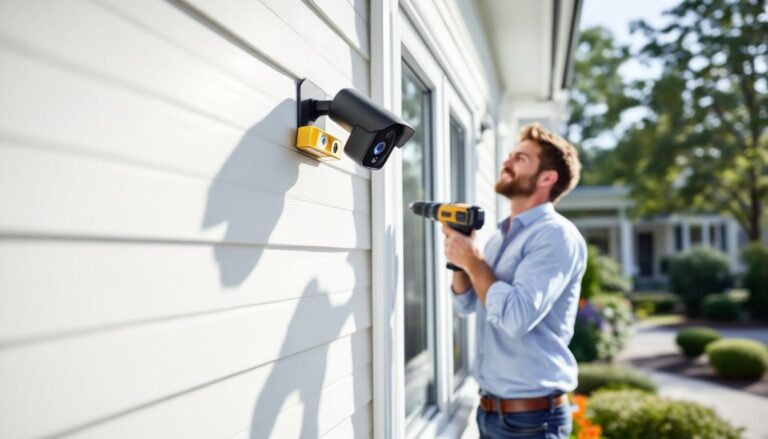
DIY installation saves labor costs entirely and works well for wireless systems. You’ll spend 4–8 hours setting up sensors, connecting your hub, and testing coverage. No permits required for wireless systems in most jurisdictions, but hardwired systems may need an electrician’s inspection and a permit in some areas. The trade-off: you’re responsible for troubleshooting, firmware updates, and warranty claims.
A hybrid approach, buying a quality DIY wireless system but having a professional check signal strength and placement, costs $200–500 in labor but prevents costly dead zones or missed alarms.
Breaking Down Monthly Monitoring Fees and Equipment Costs
Monthly monitoring fees deserve careful attention because they compound over time. A $30/month fee equals $360 annually and $3,600 over a decade, often matching or exceeding your initial equipment cost.
Professional 24/7 monitoring with police dispatch runs $35–60/month. You’re paying for trained operators, rapid response coordination, and liability coverage. Some providers offer discounts (10–20%) if you bundle multiple services (phone, internet, home automation) or sign multi-year contracts. Self-monitoring costs $10–20/month or sometimes nothing if you use smartphone notifications alone: you’re responsible for calling emergency services.
Equipment replacement and add-ons also accumulate. Sensor batteries cost $10–30 per set and last 2–3 years. If you add cameras later, expect $100–400 per camera. Professional-grade equipment often includes lifetime support and free firmware updates: cheaper systems may have limited support lifespans.
Many providers front-load costs with a lower monthly rate if you prepay 12–24 months ($300–500 upfront discount possible). Others run promotional rates for the first 6–12 months, lock in savings by confirming renewal rates before signing any contract. Professional installation and system quality significantly impact long-term costs, so factor the entire 3–5 year picture, not just month-one expenses.
Budget-Friendly Options for Cost-Conscious Homeowners
If money is tight, there are solid ways to reduce costs without sacrificing security. Start with a basic DIY wireless system ($300–500) and add sensors or cameras gradually over 6–12 months as your budget allows. Wireless systems are modular, so you can expand from a 4-zone setup to 12+ zones without replacing the hub.
Consider local alarm companies or regional providers instead of national chains. They often undercut national rates by 20–30% and provide faster service. Homeowners have found success comparing quotes through cost estimators and multiple contractor bids, which typically save 10–15%.
Simplify your system: focus on entry points (front door, patio doors, basement windows) rather than every window. Motion detectors in high-traffic areas (hallways, living room) often catch intruders better than perimeter sensors alone. A single outdoor camera covering your main entry costs $100–150 and deters most amateur burglars.
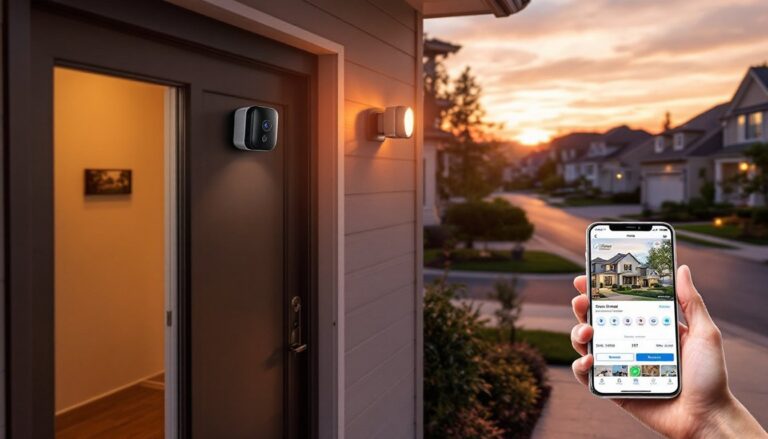
Self-monitoring via smartphone app cuts monthly fees to $10–15 or zero, though it requires you to respond if alarms trigger. Many homeowners combine a basic self-monitored system with a doorbell camera (Ring, Logitech), total cost often under $800 upfront, $10–15/month. Renters should focus on wireless systems: landlords may refuse permanent hardwired installations.
Check whether your home insurance carrier offers discounts for monitored systems or specific providers. Some insurers give 10–15% discounts for professional monitoring and up to 5% for self-monitored systems, that $360–540 annual savings can offset equipment costs significantly. Ask your agent which systems qualify.
Conclusion
Home security system costs in 2026 depend heavily on your needs, home size, and comfort level with DIY versus professional installation. Budget $300–1,500 for a basic DIY wireless system or $2,000–5,000 for professional installation with 24/7 monitoring. Monthly fees range from $0 (self-monitoring) to $60 (premium professional service). The lowest-cost option isn’t always the smartest choice, a $40/month professional system saves money versus false alarms costing hundreds in fines or ignoring a real break-in. Review your home’s vulnerabilities, compare quotes from at least three providers, and consider long-term costs alongside upfront price. Ring security kits and Lorex systems are popular mid-range choices, while budget wireless options and professional setups each serve different needs. Start with what you can afford now, plan to expand, and don’t skip professional monitoring if break-ins are common in your area, the peace of mind and potential insurance savings make it worth the cost.